





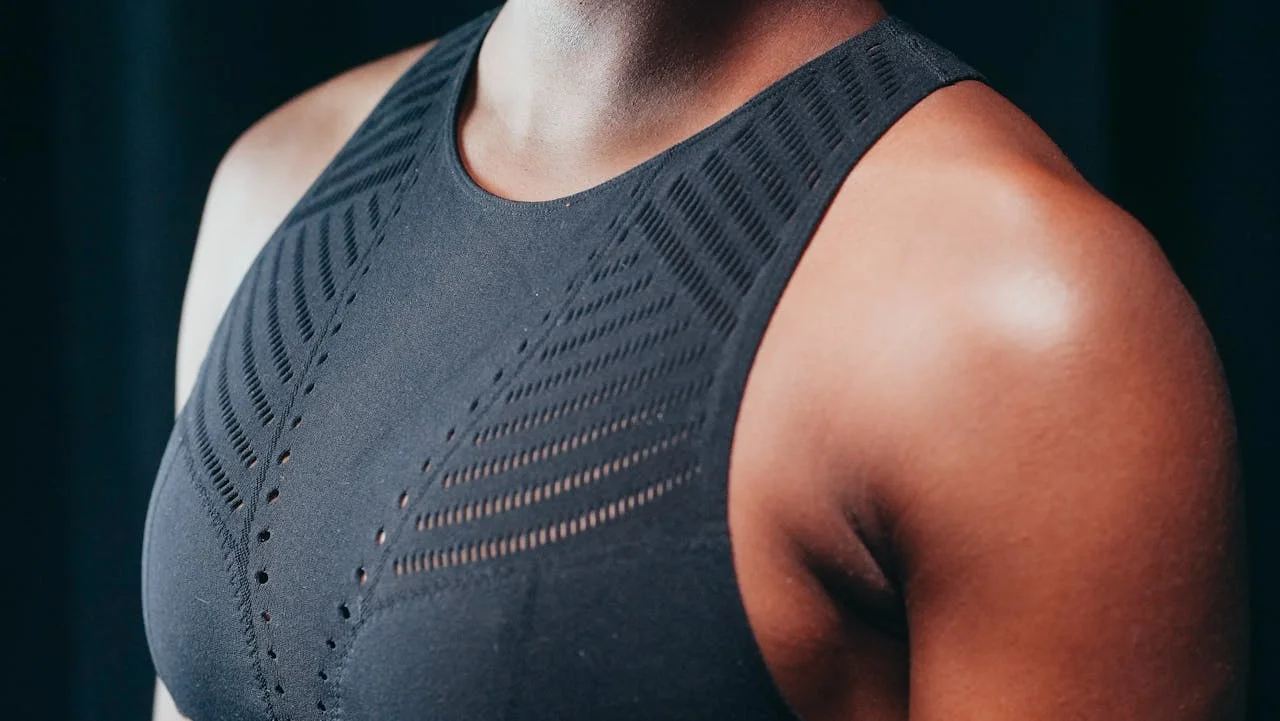
High-Tech Wellness Clothing
Introduction to High-Tech Wellness Clothing
High-tech wellness apparel changes people’s perceptions of regular clothes and self-care practices. This apparel is designed to assist both holistic health goals and physical performance. More and more consumers are looking for clothing that does more than just conceal their bodies. These clothes claim to increase circulation, ease tense muscles, and enhance sleep. With embedded sensors, smart textiles, and medicinal materials, manufacturers and researchers are pushing innovation. Business executives highlight quantifiable advantages supported by new data and consumer input. Customers increasingly anticipate that wellness clothing will smoothly blend style and functionality.
This trend combines wearable technology, personalized health, and fitness culture. As part of self-care and lifestyle optimization, people start dressing smartly. Wellness apparel transcends novelty and becomes widely worn by people of all ages. With each new line, brands compete intensely to increase efficacy and user experience. Readers will comprehend the components of high-tech wellness apparel and the potential effects on people’s lives.
What High-Tech Wellness Clothing Really Means
Clothing using cutting-edge materials or integrated technologies is considered high-tech wellness apparel. Manufacturers use therapeutic materials, conductive threads, or sensors into leggings, shirts, and shoes. These elements improve comfort, aid in muscle rehabilitation, or gather biometric data. When apparel detects health signals or affects bodily reactions, brands refer to it as “wellness.” While some designs track heart rate while exercising, others seek to enhance posture. Smart textiles respond to variations in motion, moisture content, and temperature. To promote circulation, businesses employ polymers that release mild compression. Some incorporate flexible circuits to transmit data to a smartwatch or phone.
People choose wellness apparel for modest physical assistance or quantifiable health insights. For everyday wearability and durability, engineers optimize these clothes. Apps that display trends or deliver notifications are frequently paired with apparel. The distinction between medical wearables and fashion is blurred by this advanced technology. Fitness enthusiasts become proactive health advocates as a result of the outcome. Customers support clothing that enables them to achieve their objectives and track their progress in real time.
Science Behind High-Tech Wellness Clothing Claims
Scientists and designers investigate the micro-level interactions between materials and the body. For wearable sensors to collect precise data, they must make light but consistent contact with the skin. Under various situations, researchers test fabrics for moisture control and breathability. They assess the effects of compression fabrics on blood flow and post-exertion muscle weariness. When participants wear smart shirts, controlled studies track changes in heart rate variability. To reduce noise and increase accuracy, engineers develop sensor algorithms. To improve comfort, materials scientists investigate temperature-regulating and antibacterial fibers. These fibers frequently have phase-change microcapsules or minerals incorporated in their threads. Before producing these materials, scientists verify their functioning and safety. Selected results on thermoregulation and fabric conductivity are published in peer-reviewed journals.
This study is used by brands to bolster product claims and improve next designs. However, independent research occasionally lags behind brand narratives and marketing hype. Customers should expect proof of efficacy supported by reliable studies. High-tech clothing science is expanding quickly thanks to cooperative efforts in data analytics, health research, and textiles. Buyers must exercise critical thinking in this changing environment, and manufacturers must constantly innovate.
Benefits of High-Tech Wellness Clothing
High-tech wellness apparel has advantages that suit a variety of needs and lifestyles. When athletes wear clothing that promotes healing, they report recovering from workouts more quickly. During exercise, compression textiles help maintain muscle alignment and lessen edema. Integrated temperature and heart rate sensors make it easier for users to monitor vital signs. By gently regulating body temperature, sleep-enhancing pajamas encourage deeper sleep. Sometimes, people with chronic pain discover that wearing clothes that supports their posture eases their misery. Moisture-wicking clothing keeps skin dry in hot weather, which is advantageous for hikers and cyclists. For extended workdays or travel days, breathable materials increase comfort. To ease tense muscles and enhance circulation, certain clothing releases far-infrared energy. Through encouragement and feedback, wellness apparel may promote regular exercise.
Wearable technology encourages goal tracking and responsibility without the need for heavy gadgets. Clothing that serves as a health tool is convenient for consumers. When clothing supports wellness objectives, users frequently feel more confident. These advantages make high-tech clothing more appealing to people of all ages. However, outcomes differ depending on the quality of the product and the individual. Readers should compare these possible benefits to their own requirements and expectations.
Consumer Health Trends Driving Demand
In every aspect of their lives, consumers today place a high priority on comfort and health. Products that claim quantifiable gains are popular due to the wellness culture. Individualized solutions catered to distinct bodily reactions are becoming more and more popular. Customers now expect real-time feedback from apparel because to wearable electronics. Smartwatches and fitness trackers have already altered expectations for self-monitoring devices. Social media fosters trends that prioritize proactive health management and body positivity. Influencers promote clothing that promises to improve performance or aid in recovery. Before making expensive purchases, consumers take expert advice and peer reviews into account. Customers that are concerned about their health manage hectic schedules and look for effective strategies to maintain an active lifestyle.
Supportive clothing guidelines are occasionally part of workplace wellness initiatives. To promote mobility and lessen joint strain, older persons investigate wearing therapeutic apparel. Sustainable and ethically produced wellness apparel is another demand from eco-aware consumers. In response, companies provide transparent supply chains and organic textiles. These patterns indicate a move toward holistic health products that complement contemporary lifestyles. High-tech wellness apparel will continue to develop quickly in the years to come thanks to this cultural transformation.
How to Evaluate High-Tech Wellness Clothing
Before purchasing pricey wellness clothing, consumers should do their homework. Read independent evaluations from reliable sources and tests first. Seek out research or data that shows performance advantages in practical applications. Verify whether companies offer clear explanations of embedded materials and technology. Examine product specs pertaining to comfort and sensor accuracy. Think about how frequently wearing apparel needs upkeep or recharge. If the results are not satisfactory, buyers should check warranty policies and return possibilities. Before committing to long-term use, test how clothing feels throughout regular activities. Consider your own wellness objectives and choose which characteristics are most important. Monitoring accuracy, fabric breathability, and compression levels should all be in line with personal requirements.
Steer clear of goods that make inflated health claims without providing proof. Look for companies that work with athletes or researchers to develop new products. If you need information on clinical testing, ask customer support. Give preference to products that strike a balance between functionality and everyday comfort and practicality. Buyers can avoid gimmicks and make well-informed selections by being aware of these factors.
Future of Wellness Clothing and Wearable Health Tech
Smart homes and digital health platforms will be more deeply integrated with wellness apparel in the future. Researchers will improve sensor technology to make it smaller and more precise. Soon, fabrics might have adaptive qualities that alter in response to environmental stimuli. Users may encounter clothing that automatically modifies temperature and compression. As health insights gather personal information, manufacturers will bolster data privacy safeguards. Healthcare professionals may use wellness apparel to keep an eye on long-term illnesses at home. Wearable medical clothing could be encouraged for preventive care through insurance programs. Personalized exercise and recuperation regimens could be remotely guided by biometric feedback. Customizable aesthetics and performance elements will further merge fashion and function.
In order to address environmental concerns, manufacturers will investigate sustainable production methods. Understanding true benefits will depend heavily on consumer education. Prices will drop due to competition, enabling more individuals to afford high-end apparel. High-tech wellness apparel could lead to the creation of new businesses and employment possibilities. Innovations will happen more quickly if the IT, design, and health sectors work together. Clothing that elegantly and effortlessly promotes wellbeing at every stage of life is what the future holds.
Conclusion on High-Tech Wellness Clothing
High-tech wellness apparel is still developing quickly in tandem with health and technology developments. These clothes combine style and utility to promote health and fitness objectives. Benefits for customers include improved comfort throughout activities and real-time feedback. Many statements are supported by scientific study, however continued validation is necessary. Personalized, data-driven health products that are incorporated into daily life are in high demand, according to trends. Soon, healthcare and lifestyle ecosystems may easily integrate with smart clothing. Customers should thoroughly assess products and select those that are transparent and of high quality. People can improve their bodily comfort and well-being by making deliberate decisions. Future health and lifestyle enhancement opportunities presented by high-tech apparel are fascinating. With this invention, proactive performance tools are replacing passive clothing. The path forward suggests a more profound synergy between human potential, technology, and apparel.