





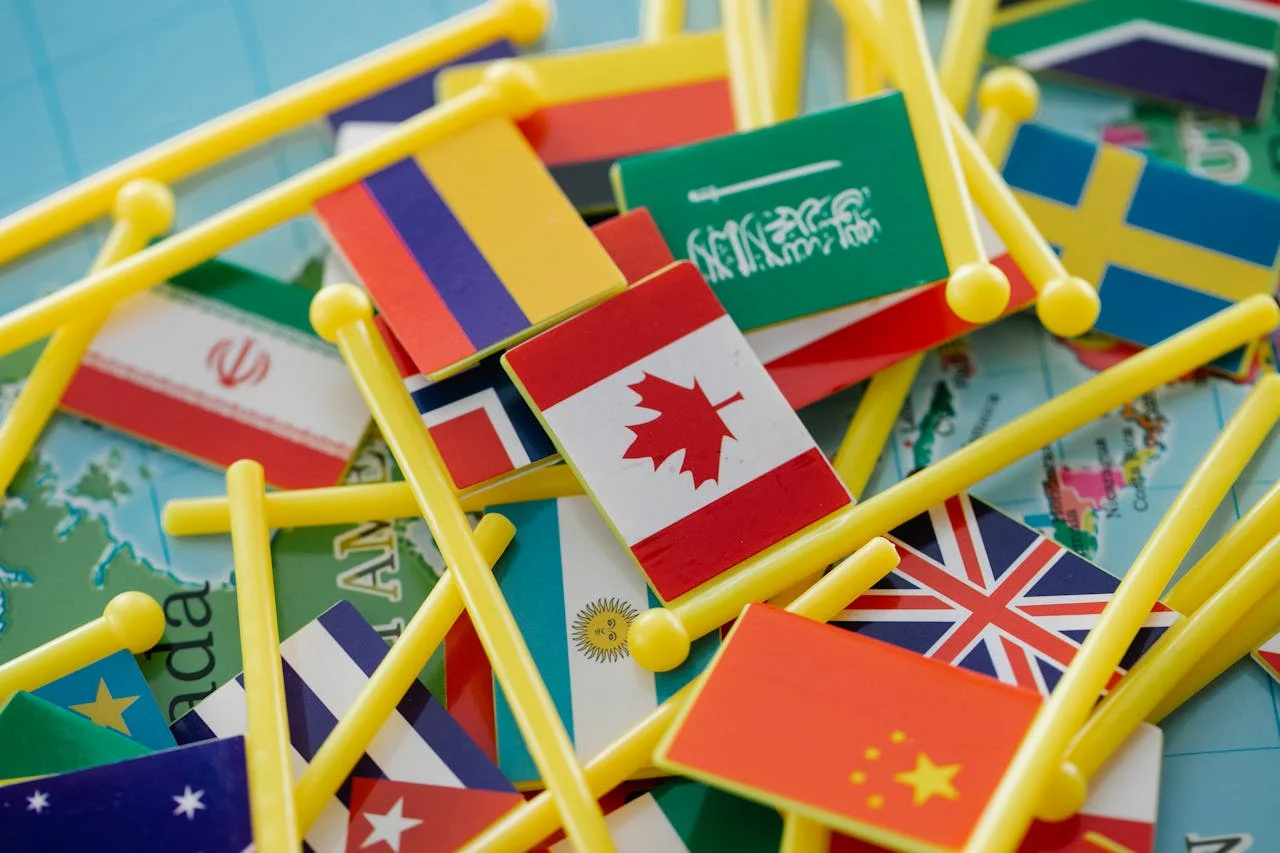
Multipolar World
Global Governance Faces a Multipolar Reality
International organizations today have to deal with a world power structure that is changing quickly. The impact of emerging economies on trade, security, and politics is growing. International decision-making is no longer defined by traditional Western dominance. Global institutional reform is under strain as a result of this change. Postwar power structures are still evident in many institutions. The current geopolitical realities do not align with those structures. Member nations want greater accountability and more equitable representation. When institutions become antiquated, public trust likewise deteriorates. The goals of reforms are to increase responsiveness, efficiency, and legitimacy. Structures that demonstrate multipolar world collaboration are what leaders look for. Climate change, technology, and security risks necessitate quicker group action.
Consensus-building is a challenge for current frameworks. Voting systems frequently give historical powers a boost. Smaller countries want to have more say in policy debates. The public expects inclusive leadership and openness. Organizations run the risk of becoming irrelevant without reform. For the stability of the world in the future, change today seems necessary. Modern types of governance are essential to international collaboration. Reforms have the potential to improve cooperation between various political systems. Flexible institutional frameworks are necessary in a multipolar society. These adjustments may promote harmony, growth, and mutual prosperity.
Why Multipolarity Demands Institutional Transformation
Multipolarity modifies the distribution of power in the world. Latin America, Asia, and Africa all acquire economic clout. In international organizations, emerging powers demand equitable representation. Voting procedures that are outdated restrict equitable participation. International decisions are less trusted as a result of this disparity. Countries are starting to doubt the legitimacy of institutions. Inclusive problem solving is necessary to address global concerns. Global cooperation is required to combat climate change. Cross-border security issues necessitate collaboration. Global economic volatility has an impact on interrelated markets. Institutions have to adjust to quicker changes in geopolitics. Strict regulations impede prompt responses. Reform enables adaptable coordination of policies.
Shared leadership models are advantageous for multipolar systems. In contemporary governance, cooperation takes the role of dominance. Organizations need to incorporate a range of political viewpoints. Comprehending cultural differences enhances diplomatic relations. Evolution of institutions encourages nonviolent competition. Geopolitical conflicts are lessened by transparent procedures. Improved policy acceptance is a result of fair representation. Reputable institutions are essential to global stability. In a world that is changing, reform guarantees relevance.
Reforming Governance Structures for Fair Representation
Reforming governance is still essential to changing institutions. Outdated power hierarchies are still evident in many bodies. Voting rights frequently overlook shifts in the population and the economy. Reformers support formulas for equal representation. Increased membership can improve inclusivity and credibility. Models of rotational leadership promote shared accountability. Transparency in decision-making enhances institutional confidence. Clear accountability procedures increase the legitimacy of governance. Merit-based leadership selection is what member nations aim for. Diverse policy input is ensured via regional representation. In order to resolve conflicts, balanced governance is necessary. Adaptive voting mechanisms are necessary for modern frameworks.
Digital tools can improve the effectiveness of involvement. Open consultations increase participation from stakeholders. Reform initiatives must continue to be inclusive and progressive. Political instability is a risk of abrupt changes. Building consensus is still crucial for success. The implementation of inclusive governance enhances international collaboration. Equitable arrangements lessen disparities in authority. Successful reform promotes sustained cooperation.
Strengthening Operational Effectiveness and Accountability
Credibility and institutional performance are enhanced by operational transformation. Simplified processes cut down on bureaucratic hold-ups. Overlapping tasks are avoided via explicit mandates. Performance metrics guarantee quantifiable results. Systems of accountability discourage inefficiency and corruption. Frequent assessments encourage ongoing development. Budgeting transparently promotes financial responsibility. Results-driven operations are required by member nations. Technology facilitates making decisions based on data. Digital platforms improve the effectiveness of coordination. Agile operational frameworks are necessary for crisis response. Capabilities for quick deployment increase the efficacy of humanitarian efforts.
Clear reporting increases public trust. Training employees improves an organization’s capabilities. Decentralized operations enhance responsiveness at the regional level. Collaborations with the private sector boost resources. Institutional integrity is strengthened via efficient oversight. Accountability promotes sustainability over the long run. Reforms in performance increase international trust. Robust operations facilitate the resolution of global issues.
Balancing Sovereignty With Collective Responsibility
Reform initiatives must take national sovereignty into consideration. When it comes to internal policy, states value autonomy. Institutions need to strike a balance between consent and authority. Frameworks for cooperation promote voluntary compliance. Shared objectives encourage accountability. Respectful communication lessens opposition to change. Agreements that are adaptable can accommodate different political systems. Careful negotiation is necessary when dealing with sovereignty issues. Everyone involved gains from collective activity. Members are more confident when procedures are transparent. Institutions must refrain from making choices on their own. Mechanisms for collaboration increase credibility.
Global resilience is strengthened by shared responsibilities. Respect for one another fosters long-term collaboration. Powerful states cannot dominate when authority is balanced. Effective multilateralism still depends on trust. Geopolitical tension is decreased via inclusive discourse. Diplomatic sensitivity is essential to the success of reform. Shared commitment is necessary for collective solutions.
Conclusion: Building Future Ready Global Institutions
Today, international organizations are at a crucial juncture. Adaptive governance systems are necessary in multipolar environments. In a complicated environment, reform guarantees relevance. Inclusive representation enhances credibility and confidence. Effective operations enhance the resolution of global issues. Accountability boosts public trust. The concept of balanced sovereignty encourages collaboration. Innovation and adaptability are essential for modern institutions. Collaboration and political will are necessary for change. Global issues require coordinated solutions. Reform paves the road for prosperity for everybody. Institutions must adapt to changes in geopolitics.
Transparency and inclusive leadership are essential for success. Effective multilateralism is essential to future stability. Organizations that have undergone reform can direct peaceful growth. Global governance must be durable in the multipolar world. Sustaining relevance requires constant adaptation.