





Women’s Growth In Sports History
Flag Football Enters The Olympic Spotlight
Flag football’s dynamic expansion and contemporary appeal continue to draw attention from all over the world. While maintaining pace and strategy, the sport eliminates heavy contact. This equilibrium draws younger athletes from a variety of geographical areas. Flag football’s involvement in the Olympics brings it into the mainstream of sports discourse. These days, international federations advocate uniform tournament formats and regulations. Increased engagement in neighborhood leagues and schools is a result of global recognition. Additionally, the Olympic program affirms flag football’s status as a legitimate sport. Supporters love the quick tempo and inventive tactics. Regardless of origin or body shape, broad accessibility promotes involvement. These days, nations with inadequate football infrastructure create competitive programs. This growth enhances the diversity of international sports.
The Olympic stage increases institutional investment and young interest. Through inclusive sports, sponsors are able to identify new marketing opportunities. As audience demand rises, media outlets expand their coverage. Flag football is consistent with contemporary ideals of inclusivity and safety. These characteristics aid in the sport’s global recognition. Inclusion in the Olympics encourages athletes to strive for long-term growth. Coaches modify training regimens to meet global requirements. Governing bodies put in place more transparent development pathways. In the end, the Olympic spotlight changes attitudes and levels of participation worldwide.
Olympic Inclusion Reshapes Global Sports Perception
Olympic recognition changes the way people around the world perceive flag football. Through sport, the Games stand for excellence and international solidarity. Inclusion validates competitive integrity and credibility. To reach Olympic performance standards, nations devote resources. Both governmental and private financing contribute to the improvement of training facilities. Coaches use data-driven performance strategies. Institutional support networks for athletes are more robust. National federations broaden their efforts to identify talent. Olympic ideals and standards are in line with youth academies. The sport becomes more respected by educators and decision-makers. Flag football is incorporated into physical education curricula in schools.
Media attention grows on both broadcast and internet media. Through international competitions and qualifiers, fans participate. The Olympic narrative enhances fan loyalty and storytelling. International sporting activities promote cross-cultural interaction. Across continents where the game was previously unknown, participation is increasing. Additionally, Olympic prominence boosts gender equity programs. Fair representation and opportunity are top priorities for officials. This change improves the sport’s long-term viability. Flag football turns into a representation of athletic brilliance that is accessible. The Olympic movement increases its influence and global reach.
Women’s Participation Accelerates Growth Across Sports History
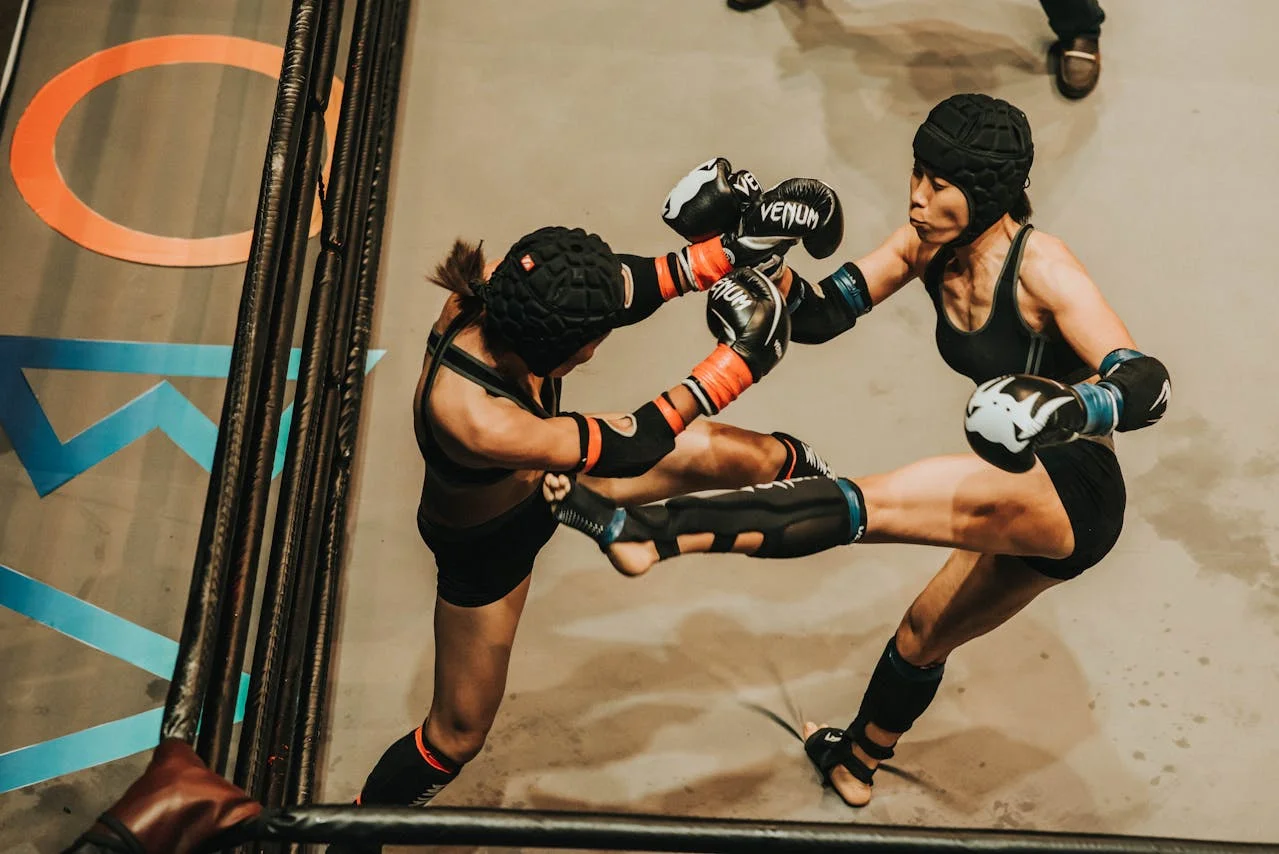
Globally, women are driving revolutionary growth in flag football. The sport eliminates obstacles that are typical of conventional football formats. Decreased interaction promotes more female involvement. Schools launch initiatives aimed at young girls and teenagers. College leagues offer scholarships and organized competition. International competitions increase the visibility of female athletes. Digital coverage and narrative enhance media representation. People of all ages are motivated to participate by role models. For skill development, coaches create inclusive training settings. Funding and fair opportunity are top priorities for governing organizations. Community involvement is essential to the success of grassroots initiatives. Within the sport, female athletes influence the growth of tactics.
Their accomplishments cast doubt on antiquated notions of athletic prowess. In coaching and administration, leadership responsibilities grow. This development enhances gender parity in sports culture. With the potential to become a professional sport, flag football provides safe competition. The sport encourages women to pursue long-term sports careers. International contests showcase skill and cooperation. Globally, female athletes develop devoted fan bases. Through greatness and inclusivity, their accomplishments alter the history of sports.
Development Pathways Strengthen Youth And Community Engagement
Flag football may flourish sustainably with the help of structured development pathways. Youth leagues teach fundamental abilities and the value of teamwork. Schools incorporate programs into their physical education courses. Families can join community clubs at reasonable prices. Systems for identifying talent direct athletes toward top competitiveness. Certifications in coaching guarantee steady skill improvement. Digital platforms offer performance analysis and training materials. Local competitions promote amicable rivalry and involvement. Athletes prepare for national selection through regional leagues. These systems support athletes’ long-term growth. Because the programs are safer, parents support them. Participation in the community fosters volunteerism and devotion.
Collaborations with academic institutions improve outreach initiatives. Overall sports literacy rises with youth involvement. Early exposure promotes a healthy way of living. Diverse socioeconomic backgrounds are welcome in inclusive programming. Flag football fosters self-assurance and leadership abilities. Through organized competition, athletes learn discipline. Olympic standards and values are in line with development trajectories. These mechanisms guarantee competitive excellence and long-term growth.

Media Exposure And Future Growth Opportunities
Flag football is becoming more well-known worldwide because to media coverage. International audiences can watch matches via streaming platforms. Athletes’ highlights and stories are amplified on social media. Globally, digital involvement draws in younger audiences. Teams and grassroots projects receive funding from sponsors. Brand collaborations aid in the planning of events and the growth of athletes. Growing fan bases boost merchandise purchases. Broadcast coverage of international competitions is reliable. Analytics improve fan comprehension and interaction. Storytelling draws attention to the sport’s diversity and tenacity. Innovation and accessibility are key to future success. Technology enhances performance monitoring and training. In faraway areas, virtual coaching increases reach. Exposure to the Olympics ensures long-term credibility.
Women’s involvement continues to influence inclusive narratives. Flag football is a good example of contemporary athletic ideals. International cooperation raises the bar for competition. There are social and economic benefits to the sport. Sustained investment guarantees long-term growth. A new chapter in sports history is about to begin with flag football.