




Mars Orbiter Data
Introduction: Mars Orbiter Discoveries Transform Understanding Of Martian Atmosphere
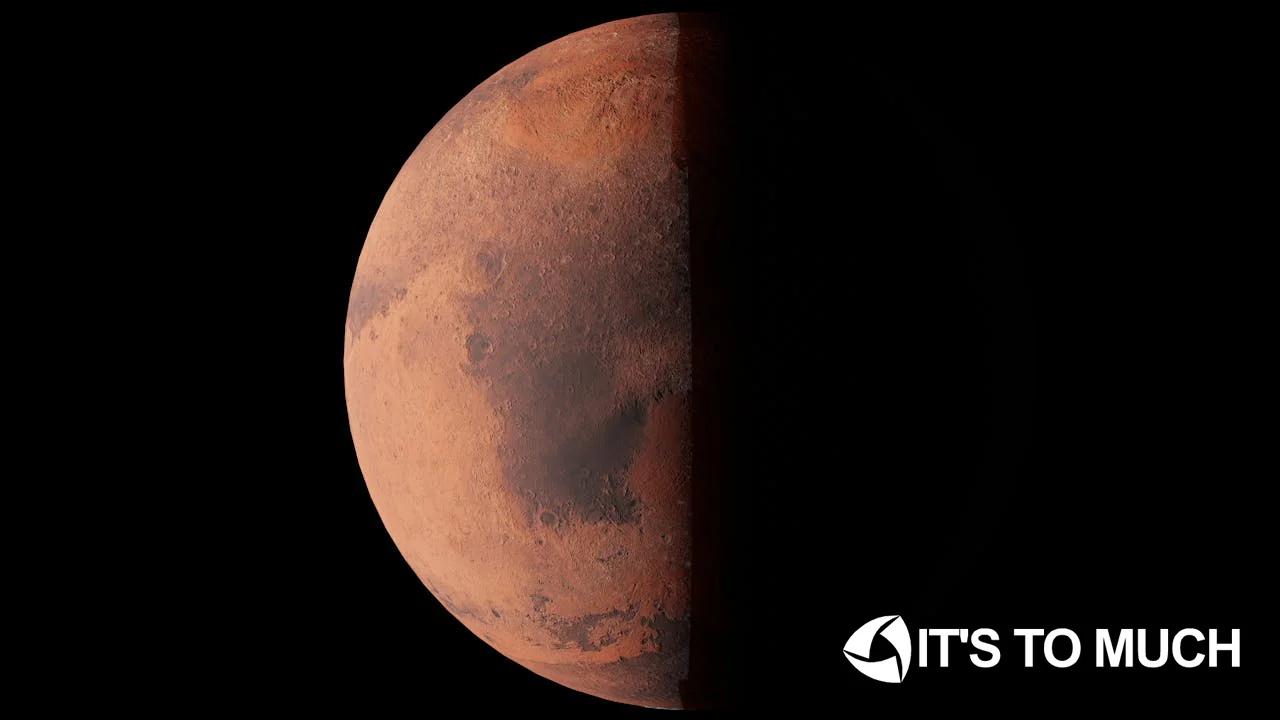
Through accurate atmospheric observations, Mars orbiter data missions continue to advance planetary science. A surprise seasonal ozone layer is emerging above the Red Planet, according to recent evidence. Using sophisticated spectrometers on orbiting spacecraft, scientists actively study this phenomenon. These devices find signs of UV absorption that indicate the presence of ozone. Because of its thin atmosphere, scientists once thought that Mars lacked significant ozone generation. Through regular seasonal assessments, new data cast doubt on that premise. According to the findings, ozone concentrations increase during Martian seasons that are drier and colder. Ozone molecules can last longer when there is less atmospheric water vapor. Scientists now understand that the atmosphere of Mars is home to intricate chemical cycles.
These cycles are like simplified versions of the chemistry of ozone on Earth. UV protection is crucial for surface conditions, according to researchers. Before it reaches the ground, ozone absorbs damaging sun radiation. This mechanism affects surface photochemistry and atmospheric stability. Over the course of Martian years, orbiter data provide continuous coverage. Accurate seasonal pattern detection is possible with long-term monitoring. Scientists closely examine differences between the northern and southern hemispheres. These comparisons show that solar angles are associated with regular ozone fluctuations. The finding challenges preconceived notions about the chemical environment of Mars. Researchers are currently investigating the consequences for the accuracy of climate models. Better models improve scientific interpretation and mission planning. This discovery highlights the importance of ongoing orbital monitoring initiatives.
Seasonal Ozone Formation Driven By Martian Climate Cycles
Temperature variations in the atmosphere are intimately related to seasonal ozone production on Mars. Water vapor concentrations are considerably lower during the winter. Reduced water vapor reduces the processes that destroy ozone. As a result, ozone molecules build up more effectively in the winter. Measurements from orbiters reveal that ozone levels are highest close to the poles. These peaks correspond with longer periods of darkness and lower temperatures. Scientists use UV spectrometry to monitor changes in ozone. Data demonstrates that annual cycles repeat across several Martian years. Variations in solar radiation cause the atmosphere to actively react. Summertime increases in sunshine speed up ozone depletion processes. Higher temperatures promote hydrogen radical-related chemical processes. Water vapor photolysis is the source of these radicals.
Wintertime sunlight reduction reduces these harmful responses. As a result, ozone survival rates rise with the seasons. In the winter in the southern hemisphere, researchers find that the ozone layer is greater. The eccentricity of Mars’ orbit exacerbates seasonal extremes in the south. This eccentricity affects changes in air density and temperature. Scientists link these variables to patterns of ozone dispersal. Despite its thin composition, the atmosphere exhibits dynamic behavior. Today, researchers include ozone data into models of global circulation. These models mimic chemical mixing and wind transfer. The presence of seasonal ozone has an impact on the top layers’ thermal balance. Comprehending these relationships enhances forecasts of atmospheric behavior. This information helps with assessments of landing sites and future exploration.
Advanced Orbiter Instruments Enable Precise Atmospheric Measurements
Specialized instruments for atmospheric analysis are carried by Mars orbiters. Ultraviolet spectrometers quantify the amount of light that atmospheric gases absorb. These instruments use distinctive spectral fingerprints to identify ozone. Instruments are made by engineers to endure challenging space conditions. To guarantee data accuracy, scientists painstakingly calibrate sensors. Orbiters gather data at different latitudes and elevations. This coverage shows patterns of vertical ozone distribution. Teams that process data adjust for the impacts of dust interference. Dust storms on Mars often make atmospheric measurements more difficult. To reliably separate ozone signals, researchers use algorithms. It is possible to identify small seasonal variations by ongoing observation. For verification, several orbiters offer overlapping datasets.
Cross-mission comparisons increase the level of scientific trust in results. Additionally, scientists combine observations of pressure and temperature. These factors aid in the explanation of ozone production processes. Sophisticated modeling software effectively understands large amounts of data. International scientific collaborations allow researchers to share their results. Peer review verifies analytical techniques and findings. Long-term climate investigations are made possible by the lifespan of the instruments. Sustained orbital presence is crucial, as these missions show. Technological developments enhance resolution and sensitivity. Future orbiters will probably improve ozone detection even more. This advancement broadens our knowledge of the chemistry of the Martian atmosphere.
Implications For Martian Climate And Surface Conditions
Martian climatic dynamics are greatly impacted by seasonal ozone presence. In the high atmosphere, ozone absorbs UV light. Temperature gradients between air strata are changed by this absorption. Temperature variations have an impact on wind circulation patterns. To improve climate simulations, scientists investigate these relationships. Ozone shielding lowers radiation exposure on the surface. This decrease affects the chemical reactions that take place on surface materials. Researchers think about the consequences for the preservation of organic molecules. Complex chemicals are more stable when radiation levels are lower.
This factor matters for astrobiology research priorities. Potential implications for habitability are carefully considered by scientists. Despite yearly ozone shielding, Mars is still hostile. Localized radiation reduction, however, is of scientific interest. Ozone in the atmosphere has an impact on photochemical smog generation as well. Trace gas lifetimes are affected by these reactions. Researchers investigate interactions with dust and carbon dioxide. Temperature variations caused by ozone may affect the rates at which ice sublimates. Interpretations of polar cap observations are supported by this information.
Broader Scientific Significance And Future Exploration Goals
Planetary comparison studies are altered by the finding of seasonal ozone. Scientists make comparisons between Earth’s atmosphere and Martian ozone mechanisms. These comparisons draw attention to both basic distinctions and commonalities. For atmospheric chemistry, Mars offers a simplified laboratory. Clearer chemical pathway analysis is made possible by less biological involvement. Researchers test theoretical models with data from Mars. Effective models improve knowledge of the behavior of ozone on Earth.
The results also influence the design of future mission instruments. Accordingly, engineers give UV sensing capabilities top priority. During periods when ozone levels are at their highest, scientists schedule focused observations. These strategies optimize scientific return and data quality. Evaluations of landing site safety are based on seasonal ozone data. Sensitive instruments may benefit from shorter radiation times. Planners for human exploration take atmospheric protection into account.
Ozone provides some protection, but not much. Researchers are still looking into long-term trends in ozone variability. Extended datasets show possible decades-long changes in the climate. Future missions might use better spectrometers. These devices could detect other trace gasses. Combined data will improve theories of atmospheric evolution. The finding emphasizes how crucial it is to continue exploring. Mars’s intricate atmospheric dynamics continues to astound scientists.