





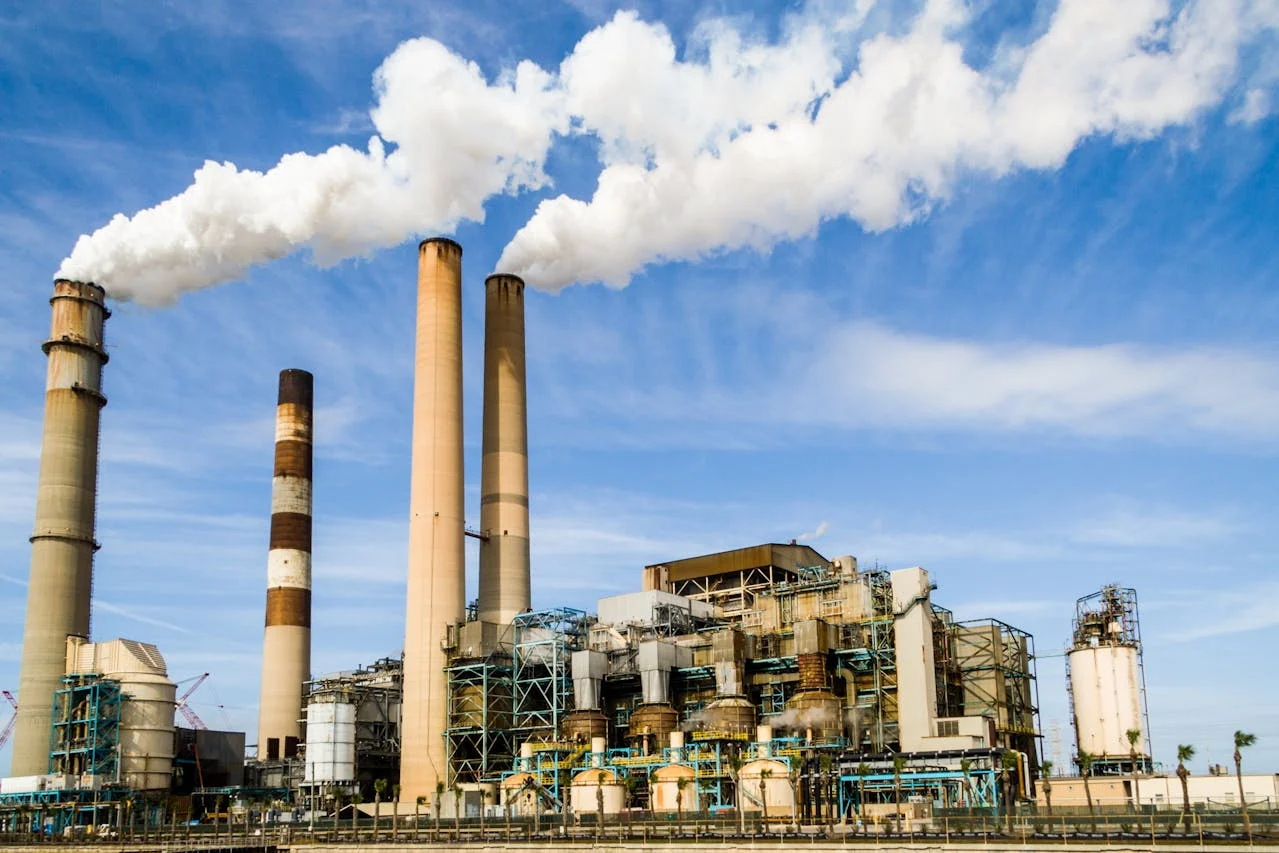
Surpass Fossil Fuels
Global Energy Shift Reaches Historic Turning Point
In 2025, renewable energy achieved a significant milestone. Renewable energy sources now outweigh surpass fossil fuels in global systems. This change is a result of years of investment focus and policy alignment. Through favorable laws and incentives, governments increased the potential for renewable energy. In order to meet climate targets, corporations expedited the deployment of clean energy. Customers wanted renewable energy sources for residences and commercial buildings. The growth of solar, wind, hydro, and geothermal energy was unprecedented. Globally, grid modernization decreased energy loss and increased efficiency. Innovations in energy storage stabilized intermittent renewable energy production. Utility companies adopted smart grids to improve the delivery of energy. The development of sustainable energy infrastructure was reinforced by international cooperation.
As technology costs decreased, developing countries embraced renewable energy more quickly. Rooftop solar installations have seen significant investment in urban areas. Decentralized renewable energy systems provided access to rural areas. Investors shifted their money to portfolios focused on renewable energy. Energy markets rewarded long-term durability and stability. The shift lessened reliance on the erratic markets for fossil fuels. Many areas saw improvements in energy security. As the use of clean energy replaced coal, carbon emissions decreased. The dominance of renewable energy gave climate goals impetus. The focus of the global energy story has changed to sustainability and resilience. Rather than a passing fad, this event signaled a structural shift.
Technology Innovation Accelerates Renewable Energy Expansion
The supremacy of renewable energy was mostly due to technological advancement. Modern photovoltaic materials have increased the efficiency of solar panels. As wind turbines became larger, they were able to capture stronger air currents. Battery storage technologies have extended their lifespans and increased capacity. In smart grids, artificial intelligence streamlined the allocation of energy. For renewable energy installations, predictive maintenance decreased downtime. Green hydrogen has become a potent clean fuel alternative. Mass manufacture made electrolyzes more affordable and effective. Deeper ocean regions are now home to offshore wind farms. Solar arrays that floated made use of underused water surfaces. Software for energy management increased the precision of demand predictions. Digital twins improved the simulation of power plant performance. Customers now have the ability to track usage trends thanks to smart meters. Grid operators used real-time analytics to balance loads.
With improved transmission methods, energy losses decreased. Innovations in manufacturing significantly reduced the cost of renewable equipment. For quick implementation, industry and research institutes worked together. For renewable energy projects, automation increased building speed. Global rivalry caused innovation cycles to shorten. Renewable energy is now a dependable baseload option thanks to technology. Globally, this change altered energy economics.
Economic and Policy Drivers Behind Renewable Leadership
The shift to renewable energy was heavily influenced by financial incentives. Governments started offering tax credits for investments in clean energy. Carbon pricing pushed businesses to use fewer fossil fuels. In emerging economies, renewable infrastructure received subsidies. Funding from the public sector sped up research and development. Energy independence encouraged countries to diversify their sources of supply. The manufacturing and maintenance industries of renewable energy saw a growth in employment. Investors preferred sustainable energy investments with steady returns. Because renewable energy projects carry less risk, insurance firms encouraged them. Trade policies encouraged the production of clean energy domestically. International accords strengthened pledges to reduce emissions. Financial firms matched sustainability objectives with their lending operations.
As renewable energy costs decreased, energy affordability increased. Subsidies for fossil fuels fell in a number of economies. Utilities adopted renewable energy due to market competition. Large-scale power purchases were motivated by corporate sustainability aspirations. Contracts for renewable energy stabilized long-term electricity prices. Diversified energy portfolios increased economic resilience. Investments in clean energy markets came from both public and private sources. Maintaining momentum across regions was assured by policy uniformity. These economic factors solidified the global leadership of renewable energy.
Environmental and Social Impacts of Renewable Dominance
Globally, the dominance of renewable energy has had quantifiable environmental advantages. All of the major economies saw a decrease in greenhouse gas emissions. Urban and industrial areas had better air quality. When compared to the extraction of fossil fuels, water use reduced. Reduced mining activity improved biodiversity protection. Cleaner energy sources have improved public health. Affordable electricity became available to communities. In developing nations, energy poverty decreased. Renewable infrastructure projects increased local employment. Sustainable energy skills are becoming the focus of education programs. Electrification in rural areas enhanced economic and social inclusion. Diverse energy systems increase climate resilience.
Decentralized power networks were advantageous for disaster recovery. Projects involving renewable energy promoted models of community ownership. Visible use of sustainable energy raised awareness of environmental issues. Projects aimed at restoring ecosystems received financial support. Energy transition initiatives are in line with sustainable development goals. The public was in favor of policies that encouraged the growth of renewable energy. The environment became cleaner for future generations. Increased access to energy enhanced social fairness. Global sustainability initiatives have changed due to the dominance of renewable energy.
Challenges and the Road Ahead for Clean Energy
Even with progress, there are still issues with renewable energy expansion. Energy storage capacity needs to keep getting better. Investments in grid infrastructure improvement are ongoing. Supply chains for rare earth materials must be diversified. It is necessary to improve the recycling procedures for renewable components. Training for workers must adapt to the rapid advancements in technology. Investor confidence still depends on policy stability. Developing countries need technical and financial assistance. More innovation is required for intermittency management. Planning for land use must take ecological preservation into account. various regions have various levels of public acceptance. With digital energy systems, cybersecurity threats increase. Climate variability has an impact on the predictability of renewable output. Stronger frameworks are necessary for cross-border energy cooperation.
Rising energy demand needs to be considered in long-term planning. Next-generation technology will be made possible by ongoing research. Education systems ought to train specialists in renewable energy. Sustainable progress will be fueled by sectoral cooperation. The public will continue to trust transparent governance. Global leadership must continue to support clean energy objectives. Innovation and resiliency are promises for the future.