




Sustainable Stadiums Transform
Sustainable stadiums use creativity and accountability to transform contemporary sports culture. They effectively combine technology, entertainment, and environmental consciousness. These days, fans demand more than just exciting games and cozy seats. They seek significant encounters that uphold the principles of global sustainability. In response, stadium developers incorporate intelligent systems and environmentally efficient designs. These locations increase fan satisfaction while lessening their negative effects on the environment.
Renewable materials, water conservation, and energy efficiency are top priorities for designers. Additionally, they enhance digital engagement and accessibility for a variety of consumers. Sustainable stadiums foster strong emotional bonds between teams and their supporters. They demonstrate leadership in community development and climate action. Operators cut expenses by reducing waste and managing energy effectively. Fans appreciate healthier event spaces and cleaner surroundings. Sponsors back locations that share their commitment to environmental responsibility.
Leadership in sustainability helps sports organizations build stronger brand reputations. These days, stadiums are live instances of sustainable innovation. They have an impact on urban regeneration plans and city planning. During events, fans feel at ease, convenient, and purposeful. Nowadays, sustainability influences stadium design from conception to operation. Fans’ perceptions of live sports entertainment are changing as a result. The trend is still expanding throughout the world’s sports sectors.
Eco Friendly Design Enhances Comfort And Engagement

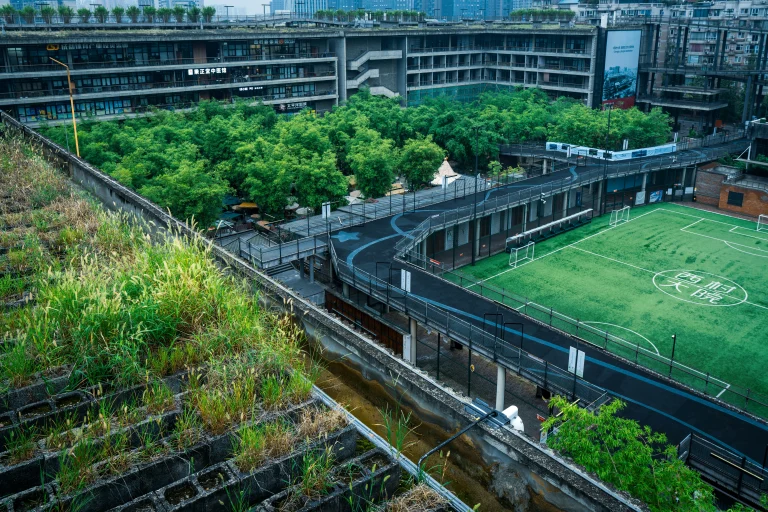
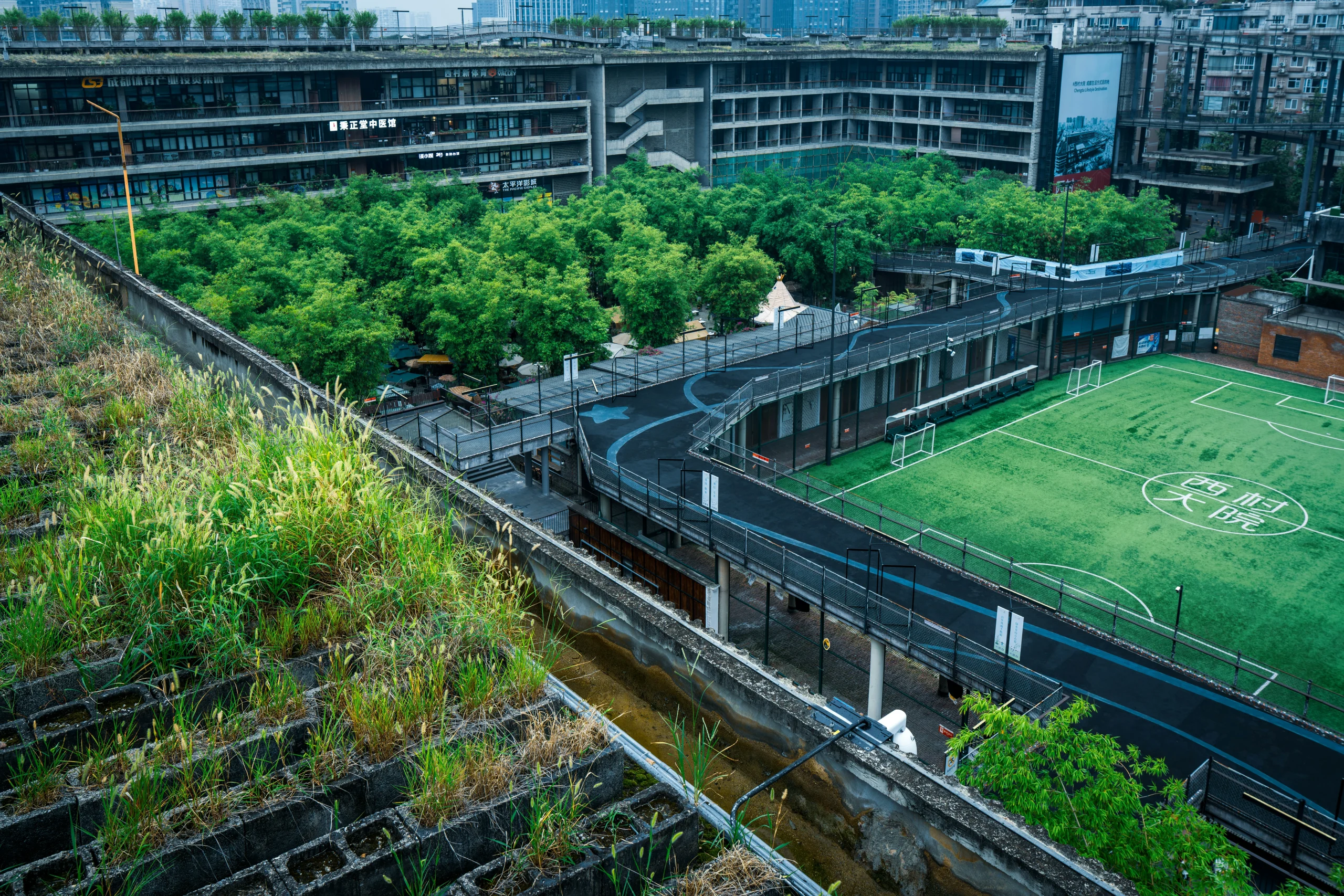
Eco-friendly stadium design lessens environmental damage while increasing comfort. Natural lighting is one way that architects use less energy. To keep inside temperatures steady, they add cutting-edge insulation. Designs with open airflow enhance fan comfort and ventilation. Green roofs aid in effective rainfall management and temperature regulation. These elements provide comfortable settings for extended gatherings. Fans benefit from less noise pollution and improved air quality. Sustainable materials increase longevity and reduce carbon footprints. Designers select low-impact concrete and recyclable steel. Additionally, they employ non-toxic coatings and approved wood. These materials improve both visual appeal and safety.
These days, stadium layouts put accessibility and effective crowd movement first. Wider concourses enhance tourist experiences and lessen traffic. During periods of high attendance, clear signage facilitates easy navigation. Based on occupancy, smart lighting systems modify brightness. These technologies increase visibility while lowering energy waste. Fans observe that events are more comfortable and have a better vibe. Eco-friendly design promotes long-term financial savings as well. Savings are reinvested by operators in fan services and facilities. Thus, sustainable architecture enhances both profitability and experience.
Renewable Energy Powers The Future Of Sports Venues
Stadium operations and environmental performance are both transformed by renewable energy. Numerous locations install solar panels on parking garages and rooftops. For everyday use, these panels produce clean electricity. In the right places, wind turbines also provide energy. Systems for storing energy guarantee steady electricity during events. Stadiums use smart grids to lessen their dependency on fossil fuels. Operators utilize sophisticated computer dashboards to keep an eye on energy consumption.
These tools minimize waste and maximize consumption. During events, fans observe obvious sustainability initiatives. Display boards frequently display statistics about energy generation in real time. This openness promotes responsible behavior and raises awareness. Charge stations for electric vehicles promote environmentally friendly transportation. On game days, fans value convenient charging alternatives.
Over time, renewable energy lowers operating expenses. Savings support fan interaction initiatives and technology advancements. Sponsors give preference to locations that exhibit climate leadership. Cleaner air and fewer emissions help communities. Stadiums powered by renewable energy set new benchmarks for the sector. They encourage other establishments to use sustainable energy practices. Sports stadiums are more sustainable over the long run thanks to energy innovation.
Smart Technology Improves Fan Interaction And Efficiency
In sustainable stadiums Transform, smart technology improves fan interaction. Mobile apps offer smooth navigation and ticketing services. Fans have access to personalized material and real-time updates. Cashless payment methods speed up transactions and cut down on waste. Smart sensors track the movement of people and the use of resources. Operators modify services in response to current demand. This strategy increases safety and reduces traffic.
Interactive fan experiences are supported by fast connectivity. Features of augmented reality improve viewing and interaction. Mobile devices give fans access to statistics and replays. Smart waste management technologies increase the precision and effectiveness of recycling. Bins communicate the need for collection using sensors. This keeps surroundings clean and lessens overflow. Data analytics directs upcoming advancements in sustainability.
To cut down on energy waste, stadiums examine usage trends. There are fewer interruptions and more seamless experiences for fans. Additionally, technology facilitates inclusive access for guests with disabilities. Digital tools enhance support services and communication. Thus, smart systems link fan satisfaction with sustainability. Innovation keeps redefining how stadiums operate today.
Community Impact And Long Term Economic Benefits
Sustainable stadiums transform boost local economies and communities. Through continued operations and construction, they generate employment. Increased attendance at events benefits local businesses. Green spaces draw tourists and activities from throughout the world. Cities become known throughout the world for their leadership in sustainability. Beyond athletics, stadiums frequently function as community centers. They hold markets, concerts, and educational events.
Public areas and community gardens improve social interaction. Programs for young people encourage healthy living and environmental consciousness. Stadiums and schools collaborate to provide educational possibilities. Goals for environmental stewardship are consistent with economic progress. Reduced operating expenses provide long-term financial stability. Projects aimed at sustainable development are receiving more public backing.
Locals take pride in environmentally friendly landmarks. Through partnerships and incentives, governments encourage these kinds of initiatives. Stadiums come to represent innovation and progress. They encourage other industries to adopt sustainable practices. Long-term advantages go beyond amusement from sports. Investing in infrastructure responsibly helps communities flourish. Stadiums that are sustainable leave long-lasting benefits.
The Future Of Sports Lies In Sustainable Innovation
Sustainable stadiums transform are the way of the future for international sports entertainment. They blend creativity, accountability, and fan-focused design. Successful sports infrastructure is today defined by environmental management. Fans want unforgettable experiences and moral behavior. Businesses react by coming up with more intelligent and environmentally friendly solutions. Technology is still the driving force for long-term changes. Designers investigate carbon-neutral building techniques.
Operators strive for energy independence and zero waste. Supporters back teams that put the health of the world first. This connection increases brand trust and loyalty. Additionally, sustainability draws sponsors and international collaborations. Stadiums of the future will operate as intelligent urban ecosystems. They will incorporate digital networks, electricity, and transportation. Innovation will improve accessibility and comfort even more.
Sports will continue to motivate constructive environmental change. Stadiums that are sustainable establish standards for other sectors. They demonstrate that responsibility and profitability can coexist. Fans enjoy thrills without sacrificing the environment. Sustainability is a fundamental principle in the sports industry. Global entertainment will change as a result of this progression.