




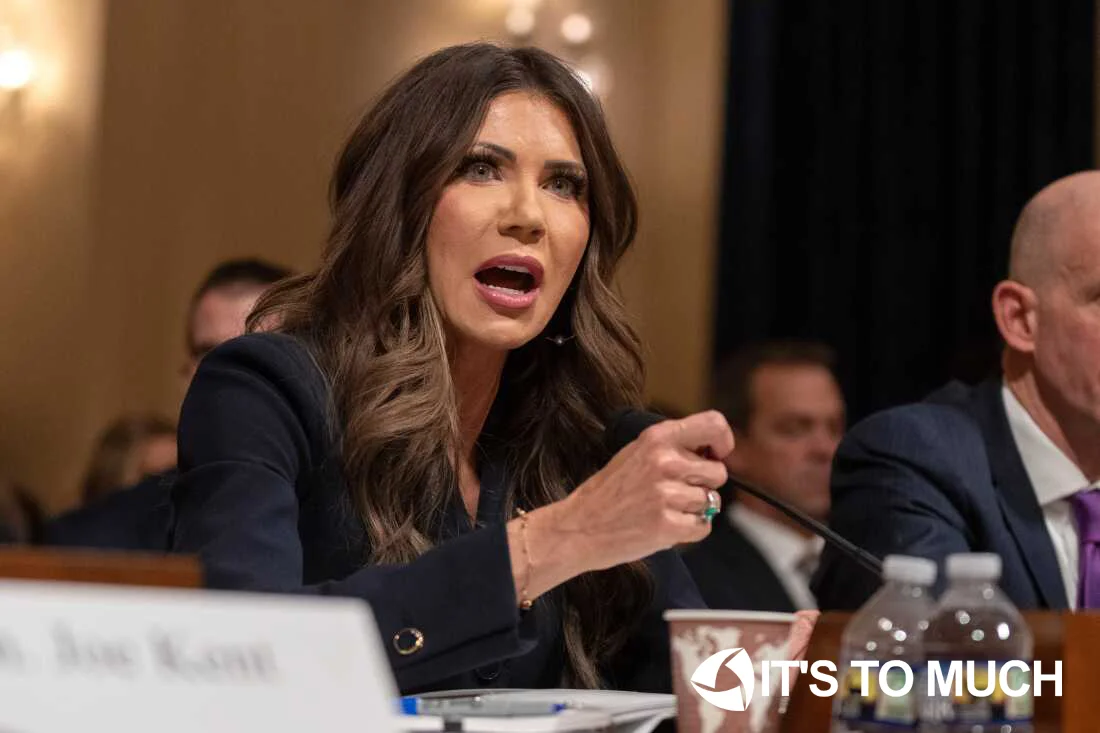
The long-running green card lottery program in the US has been suspended by the Trump administration, sparking a heated national discussion over immigration policy, public safety, and the future of legal entry routes. Homeland Security Secretary Kristi Noem made the announcement after it was discovered that a suspect in a recent mass massacre had first entered the country using the diversity visa program.
Every year, up to 55,000 people can become permanent residents of the United States through the diversity visa lottery, also known as the green card lottery. By granting visas to applicants from nations that have historically sent fewer immigrants to the US, the program aims to diversify immigration. Despite the program’s long history of controversy, the administration’s most recent move against it is among the strongest.
Noem claims that a lottery system beneficiary was the suspect in a murderous shooting spree that rocked Massachusetts’ academic institutions. During an exam period on December 13, the 48-year-old Portuguese national allegedly opened fire inside a building at Brown University, killing two students and wounding nine more. Two days after the first incident, authorities connected him to the murder of a professor at the Massachusetts Institute of Technology. Police stated that the suspect was discovered dead from what appeared to be suicide after a multi-day manhunt.
The Brown University shooter, Claudio Manuel Neves Valente entered the United States through the diversity lottery immigrant visa program (DV1) in 2017 and was granted a green card. This heinous individual should never have been allowed in our country.
In 2017, President Trump…
— Secretary Kristi Noem (@Sec_Noem) December 19, 2025
Noem stated in a social media statement that the individual was issued a green card after entering the country in 2017 through the diversity visa lottery. She called the program unsafe and unacceptable, arguing that the case revealed significant weaknesses in it. She ordered US Citizenship and Immigration Services (USCIS) to immediately halt the DV-1 program while officials examine its safeguards and structure, following direct directions from President Donald Trump.
Noem framed the suspension as an essential measure to safeguard American lives, saying, “This individual should never have been allowed into our country.” Although the administration has not stated how long the delay will last, authorities said the assessment would be thorough and might result in long-term modifications or even the lottery system’s total abolition.
Trump and his supporters have long criticized the green card lottery, claiming that it puts chance ahead of security and merit. However, proponents of the program argue that before obtaining visas, applicants already go through stringent background checks, including eligibility requirements pertaining to school or job experience, interviews, and security screening. Additionally, they contend that the program has improved diplomatic relations with underrepresented areas and enabled millions of immigrants to lawfully contribute to American civilization.
The suspension coincides with a more comprehensive tightening of US immigration laws during Trump’s second term. The president has pushed an ambitious agenda to close what he calls “loopholes in the immigration system” since taking office again in January. There have been initiatives to limit birthright citizenship, increased enforcement operations, and renewed travel prohibitions. The diversity visa lottery stop is a perfect fit for this overarching plan.
The administration is stepping its efforts to deny citizenship to certain naturalized Americans in addition to limiting entrance points. Immigration authorities have been directed to greatly boost the amount of denaturalization cases they pursue, according to a recent report that cited internal USCIS advice. During the 2026 fiscal year, field offices allegedly received requests to refer between 100 and 200 cases per month to the Office of Immigration Litigation.
These events point to a radical change in the way the federal government views citizenship in general and immigration in particular. Legal experts caution that millions of Americans who acquired citizenship through legal procedures may face ambiguity as a result of increased denaturalization activities. Civil rights activists contend that such rules could disproportionately impact immigrant populations and run the risk of eroding public confidence in the immigration system.
Additionally, the government recently halted the processing of some immigration applications from immigrants from 19 non-European nations, including petitions for citizenship and green cards. Supporters argue that it is essential to let agencies reevaluate security procedures and application requirements, while critics view this as more proof of a restrictive, region-specific approach to immigration.
As the diversity visa lottery remains on hold, questions continue to mount about the future of legal immigration channels to the United States. For decades, the program has symbolized opportunity for people from countries with limited access to US visas. Its suspension signals a significant policy shift that could reshape immigration patterns for years to come.
Whether the pause will lead to reform, replacement, or permanent termination of the lottery remains unclear. What is certain, however, is that the decision has added fresh momentum to the national conversation over how the United States balances openness, security, and fairness in its immigration system—an issue that remains as politically charged as ever.
Click here to read full news.

I’m a passionate blogger and senior website developer with an MPhil in Computer Science, blending technical expertise with a deep appreciation for the art of storytelling. With advanced knowledge of English literature, I craft content that bridges creativity and technology, offering readers valuable insights and engaging narratives. Whether building dynamic websites or exploring thought-provoking ideas through my blog, I’m driven by a commitment to innovation, clarity, and impactful communication.